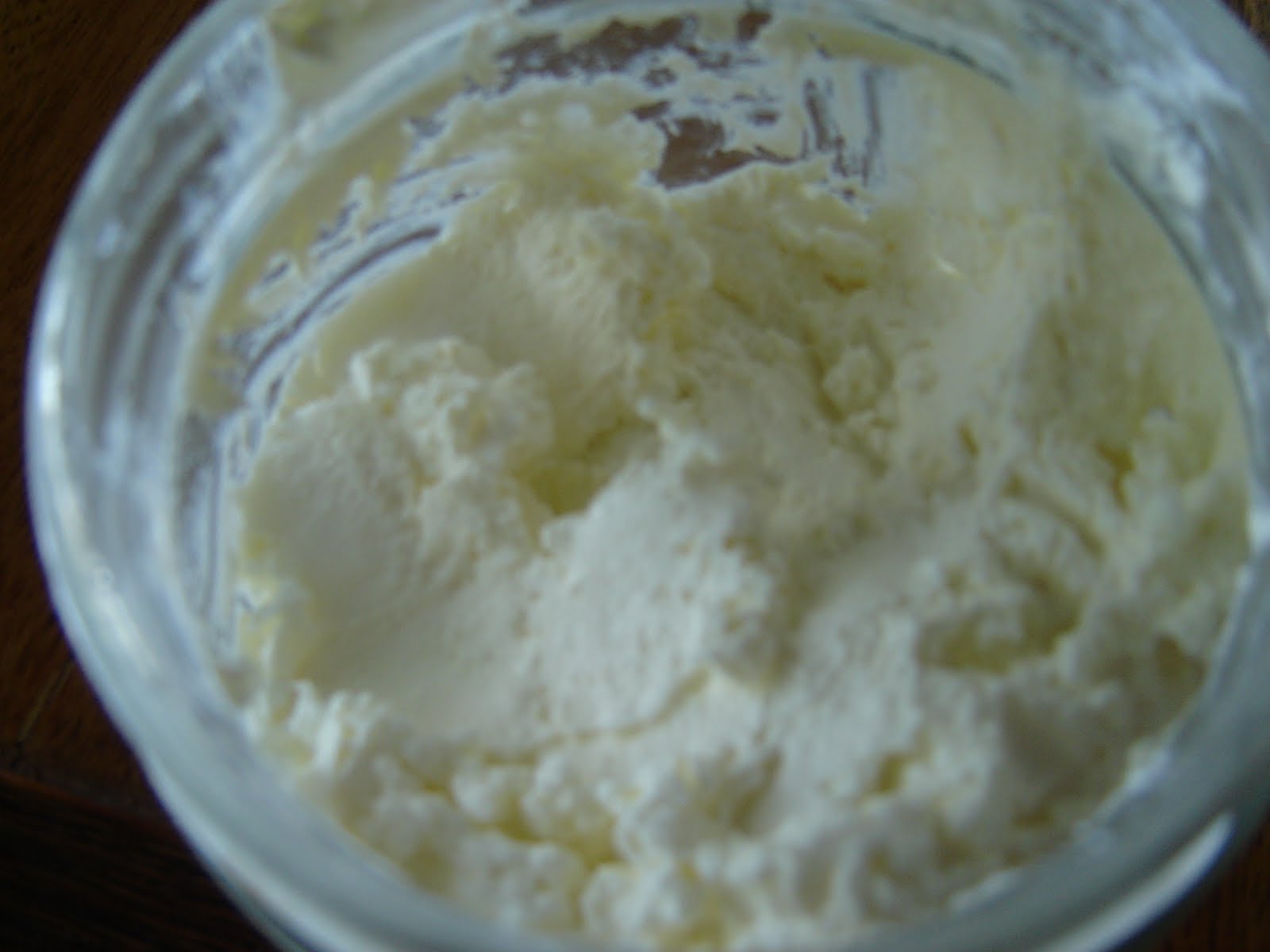
Ripening Feta
his cheese-making business all started with Isaiah going off to Boy Scout Camp for a week. So,
his mother didn't want to take her usual gallon of goat milk. I told the goat guy that I'd like a gallon as I've been wanting to try making Feta cheese. This was my entertainment last week. Turning a large jug of goat's milk into 2 containers of Feta and a little tub of ricotta from the whey. Truly, I enjoyed the whole process. Felt very holeistic. Just so you know, that's sort of like holy these days.
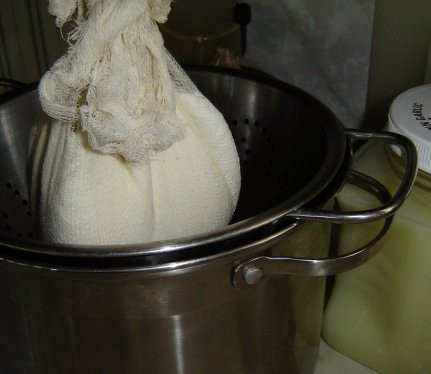
Here you see more whey draining off the curds and a tub of collected whey on the side. I found directions, after searching the interweb, at
this wiki site. This seemed the easiest and clearest recipe, with photos.
After the cheese is done, you cut it up in large chunks and put in a salt brine to ripen for four weeks. I have a sneaking feeling that it could have been pressed firmer. I really really need a cheese press. Finally, you can make ricotta out of all that whey you've saved.
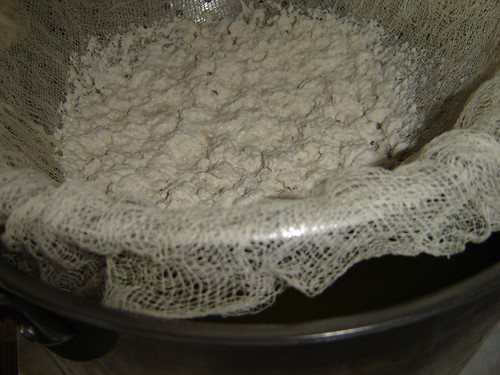
This is the curds draining after the whey has been brought up to 200F.
As a great big added addendum, I've added the recipe in full for this ricotta.
Ricotta
Traditional Ricotta Cheese Recipe
Ingredients You Will Need:
2 gallons of whey (or however much you have)
Vinegar
Equipment You Will Need:
Non-reactive saucepan (stainless steel or enameled pots are great)
Colander
Very fine mesh cheesecloth or muslin
Let the whey from your first cheese-making effort sit out covered at room temperature for between 12 and 24 hours to let the acid content of the whey increase. Heat the whey in the saucepan to 200 degrees Fahrenheit. Tiny white curds should form in the whey. If the curds are not forming, add a splash of vinegar.
Strain the whey through a cheesecloth made with very, very fine material. If you do not have a fine cheesecloth (also called muslin), use a pillow case or another piece of clean cotton material. You’ll have an easier time straining the cheese if you line a colander with cheesecloth or another material. Let the ricotta drain into a bowl under the colander for about two hours or until no more liquid escapes the cheesecloth. Put the ricotta into a bowl, and salt lightly (¼ teaspoon salt), mixing thoroughly. Use immediately, or store in refrigerator for up to a week.
The ricotta was good. It tasted like goat cheese ricotta and we had some in a salad and some in an omelet with sauteed vegetables.
I would highly recommend this whole process. It brings out your inner chef.